
Preparing for the Political Storm
Election season is coming. Once again, Americans will be flooded with ads, campaign promises, political commentary, and endless debate about the future of our country. Disagreement and competition are healthy parts of a representative democracy. However, our current political culture often pushes voters to focus on personalities and rivalries — even slander — rather than qualifications and service.
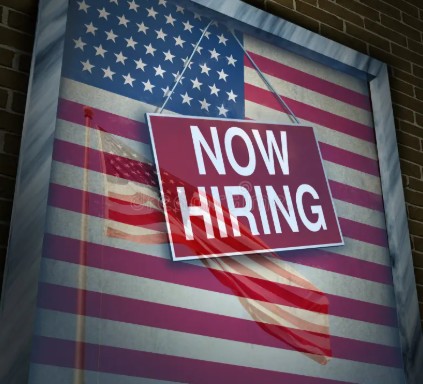
One simple change in perspective can help us evaluate candidates more effectively: instead of viewing elections as competitions for power, we should view them as interviews for positions of public trust.
Public Office Is a Job, Not a Throne
Elected officials don’t own power. They borrow it from the people. Yet modern campaigns often feel more like struggles for control than opportunities to serve. Remembering who truly holds the authority changes how we evaluate every candidate seeking our vote. The office belongs to the people; the elected official is simply entrusted to manage it responsibly.
Our Elected officials work for the people. The people DO NOT work for them.
Elections Are Job Interviews
Voters should evaluate candidates the same way employers evaluate applicants. Most of us understand that employers want to know what a person brings to the table — examples, experience, proof of qualification. Yet many political campaigns don’t operate this way. Imagine conducting the following interview:
Hiring Manager: Tell me about yourself.
Candidate: Before I answer that, let me tell you how terrible the other applicant is.
Hiring Manager: Okay… but what experience do you have?
Candidate: The other applicant can’t be trusted.
Hiring Manager: What skills would you bring to this role?
Candidate: Have you heard what the other applicant did ten years ago?
Hiring Manager: I asked about your qualifications.
Candidate: The other applicant is incompetent, dangerous, and a threat to the future of this company.
Hiring Manager: That’s interesting, but why should I hire you?
Candidate: Because the other applicant is worse.
Ultimately, most hiring managers would end an interview like this, and the candidate would be very unlikely to get the job. Why? Not just because the candidate criticized someone else — but because they never answered the key question: Why should I hire you?
As crazy as this sounds, every election season, millions of Americans are expected to hire candidates based on campaigns that follow this exact script.
If this wouldn’t earn someone a callback for a job interview, why should it earn someone public office?
The Burden of Proof Belongs to the Candidate
Anyone seeking public office is asking for the public’s trust. That trust should be earned through qualifications, accomplishments, and a clear plan for the future. Voters should know what a candidate has done, what they stand for, and how they intend to deliver results.
- What qualifies you for this office?
- What have you accomplished?
- What is your plan?
- How will you measure success?
- Why should voters trust you?
These are not unreasonable standards. They are the same standards we use when selecting employees, business leaders, and professionals in nearly every other field.
The person asking for the job should explain why they deserve it.
Facts Should Matter More Than Slogans
In every profession, claims are expected to be backed by evidence. Political campaigns should be no different. Voters don’t need perfection, but they do deserve honesty, transparency, and facts that can be verified.
Every day, Americans are expected to support their own claims with facts. Businesses provide data. Researchers cite sources. Job applicants provide references. Likewise, voters should demand the same accountability from those seeking public office.
Disagreement is healthy, but supported facts are essential. The stronger the evidence behind a candidate’s claims, the stronger the public’s ability to make informed decisions. For a quick gut-check on a candidate’s claims, nonpartisan sites like FactCheck.org are a useful starting point.
Debate Is Healthy. Destruction Is Not.
Disagreement is essential to a free society. We should debate ideas, policies, and priorities — taxes, education, healthcare, immigration, spending, and public safety are all worth arguing about. But there’s a real difference between challenging someone’s ideas and attacking their character. One helps voters understand the issues. The other usually just distracts from them.
This isn’t just a hunch. Most political ads today are negative, and the research on their effect is telling: floods of negative advertising rarely change voters’ minds, and can even backfire when people see them as unfair or manipulative. Repeated exposure also takes a toll — a 2023 Pew survey found that 65% of U.S. adults said they often feel “exhausted” thinking about politics (source).
The goal of a campaign should be persuasion, not destruction.
“We the People” are Hiring. The Standard Is Set by Us
Politicians respond to what voters reward. For example, if outrage gets attention, campaigns will produce outrage. If personal attacks win votes, campaigns will produce personal attacks. But if voters begin rewarding competence, honesty, preparation, and evidence, campaigns will adapt.
- If outrage gets attention, campaigns will produce outrage.
- If personal attacks win votes, campaigns will produce personal attacks.
The power to improve political discourse doesn’t begin with politicians. It begins with us.
Put It To The Test
Watch the example campaign advertisements below. As you watch, imagine you’re interviewing a candidate for an important position. Evaluate them the same way you would evaluate a job applicant.
Candidate Evaluation
| Category | Poor | Fair | Good |
|---|---|---|---|
| Qualifications Explained | ☐ | ☐ | ☐ |
| Evidence Provided | ☐ | ☐ | ☐ |
| Clear Plan Presented | ☐ | ☐ | ☐ |
| Focused on Solutions | ☐ | ☐ | ☐ |
| Time Spent Attacking Opponent | High ☐ | Medium ☐ | Low ☐ |
If this were any other job interview, would you hire this person?
One Question Every Voter Should Ask
Too often, campaigns focus on the shortcomings of opponents rather than the qualifications of the person seeking office. But voters deserve more than criticism — they deserve answers, plans, and evidence, along with candidates who can clearly explain why they’re the best person for the job.
So before you cast your vote, ask the question that matters. Not “Who attacked better?” Not “Who had the sharper insult?”
Ask instead: Did this candidate earn my trust, or just try to disqualify the competition?
If you wouldn’t hire someone based on a resume full of complaints about other applicants, don’t hire a representative that way either.
Demand the plan. Demand the evidence and the qualifications behind it. And if a candidate can’t tell you why they deserve the job — only why someone else doesn’t — that silence is your answer.
This November, don’t just vote. Interview. Ask the one question every voter should ask, then hold every candidate, in every race, at every level, to the answer.